Chicken is an important part of many families’ diets. It is used to prepare a wide variety of dishes, from soups and salads to oven-baked meals. However, preparing delicious and safe food requires more than choosing quality products. It is equally important to know how to store chicken properly in the refrigerator.
Improper storage of chicken can encourage bacterial growth, increasing the risk of foodborne illness. Therefore, it is essential to follow food safety guidelines regarding temperature, packaging, and storage periods.
In this article, we explain how to store fresh chicken correctly, how long it can remain in the refrigerator, and which common mistakes should be avoided.
1. What Temperature Should Chicken Be Stored At?
One of the most important conditions for safely storing chicken is maintaining the correct refrigerator temperature.
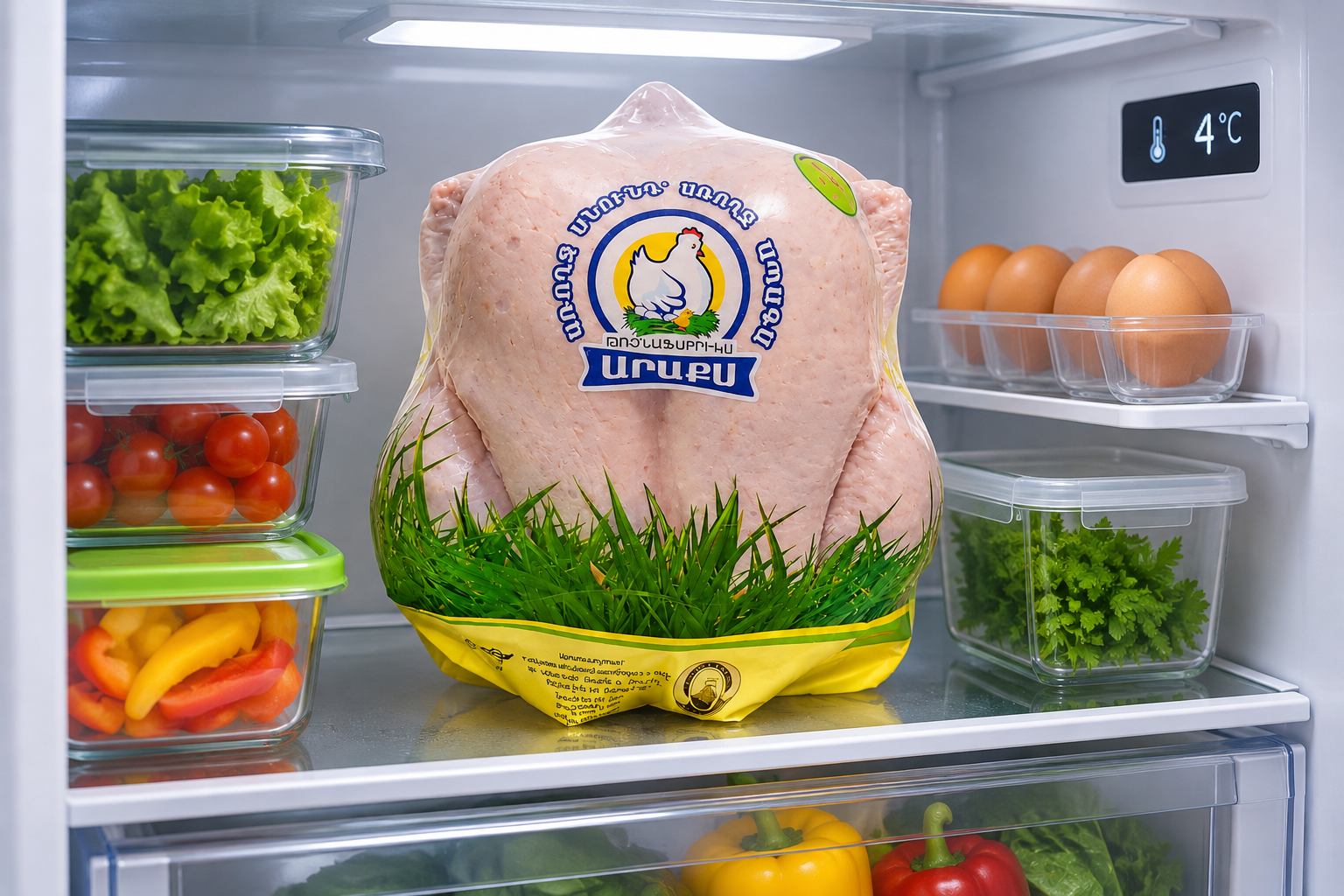
According to food safety recommendations, your refrigerator should be kept at 4°C (40°F) or below. This temperature slows down bacterial growth, although it does not completely stop it.
Recommendations:
- Keep the refrigerator temperature between 0°C and 4°C.
- Never leave chicken at room temperature for extended periods.
- Refrigerate chicken immediately after purchasing it.
- Avoid storing chicken in the refrigerator door, where temperatures fluctuate more frequently.
If you plan to store chicken for a longer period, the freezer is the best option. Its temperature should be maintained at -18°C (0°F) or below.
2. How Long Can Chicken Be Stored in the Refrigerator?
The storage period for fresh chicken depends on its type, packaging, and storage conditions.
According to general food safety guidelines:
| Type of Chicken | Refrigerator Storage Time |
|---|---|
| Whole raw chicken | 1–2 days |
| Raw chicken pieces | 1–2 days |
| Cooked chicken | 3–4 days |
| Prepared chicken dishes | 3–4 days |
Chicken can be stored for longer periods in the freezer. However, freezing does not destroy all bacteria; it mainly stops their growth while the product remains frozen.
Do not consume chicken if it has been stored under unknown conditions or has passed the use-by date indicated on its packaging.
3. How Should Chicken Be Properly Packaged?
Raw chicken must be stored in a way that prevents its juices from leaking and contaminating other foods in the refrigerator.
Follow these basic rules:
- Store chicken in an airtight container or food-safe packaging.
- If the original packaging has been opened, transfer the chicken to a suitable sealed container.
- Place it on the bottom shelf of the refrigerator to prevent its juices from dripping onto other foods.
- Keep raw chicken separate from ready-to-eat foods, vegetables, and fruits.
- Label the packaging with the purchase or freezing date.
These simple steps help reduce the risk of cross-contamination and maintain food safety.
4. Should You Wash Chicken Before Cooking?
One common mistake is washing raw chicken under running water.
Food safety experts do not recommend washing raw poultry. Water splashes can spread bacteria from the chicken to the sink, kitchen countertops, utensils, and nearby food products.
For safe preparation:
- Remove the chicken from its packaging and proceed directly to cooking.
- Use a separate cutting board for raw chicken.
- Wash your hands with soap after handling raw meat.
- Clean and sanitize all utensils and work surfaces that have come into contact with raw chicken.
- Cook chicken until its internal temperature reaches at least 74°C (165°F).
Following these recommendations helps prevent foodborne infections.
5. How to Freeze Chicken Properly
If you do not plan to use chicken within the next one or two days, it is recommended to transfer it to the freezer.
Follow these steps:
- Divide the chicken into portions suitable for individual meals.
- Place the portions in airtight freezer bags or containers.
- Remove as much air as possible from the packaging.
- Label each package with the freezing date.
- Store at -18°C (0°F) or below.
The safest way to defrost frozen chicken is to thaw it gradually in the refrigerator. Cold water and microwave methods can also be used, but the chicken must be cooked immediately afterward.
Important: Never thaw chicken at room temperature.
6. How to Tell If Chicken Is No Longer Safe to Eat
When assessing chicken freshness, pay attention to several characteristics.
Warning signs include:
- An unpleasant or unusual smell.
- A sticky or slimy surface.
- Significant changes in color.
- Damaged packaging or leaking juices.
However, appearance and smell cannot always reveal the presence of harmful bacteria. Therefore, it is important to follow storage temperatures and expiration dates rather than relying solely on visual signs.
If you have doubts about the safety of chicken, do not taste it. It is safer to discard it.
7. Why Is It Important to Choose Chicken from a Trusted Producer?
Food safety begins long before products reach the consumer. Important factors include poultry farming conditions, feed quality, production hygiene, meat processing, packaging, and temperature control during transportation.
A modern poultry factory should prioritize quality and safety controls at every stage of production.
Araks Poultry Factory offers a range of locally produced poultry products. By choosing locally produced poultry meat, consumers can pay attention to the manufacturer’s information, product origin, and storage conditions.
Proper organization of production processes in the poultry farming industry plays an important role in producing quality food. Equally important is the control of every stage, from chicken breeding to the packaging and sale of finished products.
The market also offers various ready-to-cook products, including sausage products, chicken sticks, and chicken cutlets. When storing these products, always follow the temperature requirements and expiration dates indicated on their packaging.
When purchasing chicken products, including eco chicken or eco poultry meat, carefully check the product labeling and any certificates provided by the manufacturer. The term “eco” alone does not guarantee food safety or organic certification.
8. Frequently Asked Questions About Chicken Storage
Can raw chicken be stored in the refrigerator for 3 days?
This is not recommended. Raw chicken should generally be cooked or frozen within 1–2 days when stored at 0–4°C.
Can thawed chicken be frozen again?
If chicken has been thawed in the refrigerator and has remained at a safe temperature, it can be refrozen. However, some changes in quality may occur.
Where should chicken be stored in the refrigerator?
The best place is the bottom shelf, in a sealed container and separate from ready-to-eat foods.
How long can cooked chicken be stored in the refrigerator?
Cooked chicken can generally be stored for 3–4 days at 4°C (40°F) or below.
Conclusion
Proper chicken storage is an essential part of food safety. Maintaining the correct refrigerator temperature, using airtight packaging, following storage periods, and cooking chicken thoroughly help reduce the risk of foodborne illness.
Whether you choose fresh chicken, frozen products, or ready-to-cook poultry products, always pay attention to their origin, labeling, and storage conditions.
Choose quality products and follow food safety recommendations.