Poultry farming is one of the most important branches of the food industry, providing consumers with nutritious, protein-rich products such as chicken meat and eggs. The development of modern technologies makes it possible to increase production efficiency, improve product quality, and ensure food safety throughout the entire production process.
Today, a modern poultry factory is much more than a facility for raising birds. It is an integrated production system that uses automated equipment, climate control systems, modern feeding solutions, and quality control mechanisms.
The development of poultry farming in Armenia plays an important role in expanding local production, improving food availability, and meeting consumer demand.
In this article, we explore the main stages of poultry production, modern technologies used in egg and chicken meat production, and the essential principles of product quality and safety.
1. Modern Technologies in Poultry Production
Modern poultry production is based on the combination of several technological processes. Their main purpose is to create suitable conditions for the growth and development of birds while ensuring production efficiency and consistent quality control.
Modern production systems use:
- Automated feeding systems. These systems regulate feed distribution and provide nutrition according to the birds’ dietary requirements.
- Water supply systems. They ensure continuous access to clean drinking water.
- Climate control technologies. These systems regulate temperature, ventilation, and humidity.
- Lighting control systems. They help manage lighting schedules according to the birds’ development stages and production requirements.
- Automated monitoring. This technology makes it possible to monitor production processes and identify potential deviations in a timely manner.
The use of these technologies helps reduce production losses, improve resource efficiency, and maintain consistent product quality.
2. The Main Stages of Chicken Meat Production
The production of chicken meat consists of several consecutive stages. Each stage has its own requirements and requires appropriate sanitary, hygienic, and technological conditions.
2.1. Receiving and Housing Chicks
The production process begins with receiving day-old chicks and placing them in suitable housing conditions.
At this stage, it is important to provide:
- Appropriate temperature and ventilation.
- Clean and properly prepared facilities.
- Constant access to drinking water.
- Age-appropriate nutrition.
- Veterinary supervision.
Proper care during the first days of life is essential for the chicks’ future growth and development.
2.2. Feeding and Growth Monitoring
Nutrition is one of the most important factors in the chicken-raising process. The birds’ diet must correspond to their age, development stage, and physiological requirements.
Modern poultry farms use balanced feed mixtures that may contain:
- Proteins.
- Carbohydrates.
- Fats.
- Vitamins.
- Minerals.
Proper nutrition supports normal growth and improves production performance.
2.3. Veterinary Supervision and Biosecurity
Disease prevention is an essential component of poultry production.
Biosecurity measures include facility cleaning, disinfection, access control, regular monitoring of bird health, and necessary veterinary procedures.
These measures help maintain bird health and improve production safety.
2.4. Slaughter and Meat Processing
After the growing period is completed, birds move to the processing stage.
Modern production processes may include:
- Transportation of birds under appropriate conditions.
- Veterinary inspection.
- Slaughter in accordance with established sanitary requirements.
- Feather removal and evisceration.
- Meat washing and chilling according to approved technological procedures.
- Sorting and packaging.
Maintaining hygiene and controlling temperature at every stage are essential for ensuring the safety of the final product.
2.5. Packaging, Storage, and Transportation
Appropriate packaging and cooling technologies are essential for maintaining the quality of finished poultry meat products.
Packaging must protect products from external contamination and ensure their safe transportation.
Other important factors include:
- Maintaining the appropriate storage temperature.
- Ensuring packaging integrity.
- Indicating production and expiration dates.
- Maintaining the cold chain during transportation.
Following these requirements helps preserve product freshness and nutritional properties.
3. Modern Technologies in Chicken Egg Production
Egg production is another important branch of poultry farming. It also involves several technological and quality control processes.
Producing chicken eggs requires appropriate housing conditions for laying hens, balanced nutrition, and continuous health monitoring.
The main stages of egg production include:
3.1. Housing and Care of Laying Hens
The productivity of laying hens is influenced by nutrition, access to water, lighting, ventilation, and general housing conditions.
Modern farms use automated systems to monitor bird welfare and production performance.
3.2. Egg Collection
Egg collection can be carried out using automated conveyor systems.
These technologies help:
- Reduce the likelihood of mechanical damage to eggs.
- Speed up the collection process.
- Minimize manual labor.
- Ensure more organized product transportation.
3.3. Sorting and Quality Inspection
Collected eggs undergo sorting and quality control.
The following characteristics may be inspected:
- External appearance.
- Shell integrity.
- Weight and size.
- Presence of cracks.
- Internal quality indicators using appropriate equipment.
As a result of sorting, eggs are classified according to established standards.
3.4. Packaging and Storage
Sorted eggs are placed in suitable packaging designed to protect them from mechanical damage and ensure safe transportation.
Storage conditions must comply with the product’s characteristics and applicable food safety requirements.
4. Quality Control at Every Stage of Production
One of the main goals of modern poultry production is to provide consumers with safe and high-quality food products.
Quality control should not be limited to inspecting finished products. It must cover the entire process, from bird housing conditions to the distribution of final products.
Key quality control areas include:
- Inspection of raw materials and feed quality.
- Drinking water safety monitoring.
- Regular monitoring of bird health.
- Hygiene of production facilities.
- Cleaning and disinfection of equipment.
- Inspection of meat and egg quality.
- Monitoring of storage and transportation conditions.
Applying HACCP principles during production helps identify potential food safety hazards and establish appropriate control measures.
5. Poultry Farming in Armenia: The Importance of Local Production
The poultry farming sector in Armenia plays an important role in the country’s food system. The development of local production contributes to meeting domestic demand, expanding production capacity, and supporting economic growth.
For a poultry factory in Armenia, it is important to introduce modern technologies, develop production infrastructure, and comply with food safety requirements.
The advantages of local production include:
- Offering products that meet domestic market demand.
- Improving production and supply chain management.
- Supporting the local economy and employment.
- Providing access to information about product origin and manufacturers.
When choosing locally produced poultry meat, consumers should pay attention to product labeling, production dates, storage conditions, and manufacturer information.
6. The Role of Modern Technologies in Developing Local Chicken Meat Production
Technological development in poultry production makes it possible to improve production processes and use available resources more efficiently.
Automated feeding systems, climate control, digital production monitoring, and cold chain management are particularly important for the development of locally produced chicken meat.
These solutions can contribute to:
- Increased production efficiency.
- Reduced production losses.
- Consistent product quality.
- Improved food safety monitoring.
- More efficient use of energy and water resources.
At the same time, consumers are becoming increasingly interested in product origin, production conditions, and ingredients.
When choosing eco poultry meat, it is important to review relevant certificates and information provided by the manufacturer. Terms such as “eco” or “natural” do not automatically confirm organic certification.
7. Araks Poultry Factory: The Importance of Local Production and Modern Poultry Farming
Local producers play an important role in the development of Armenia’s poultry market.
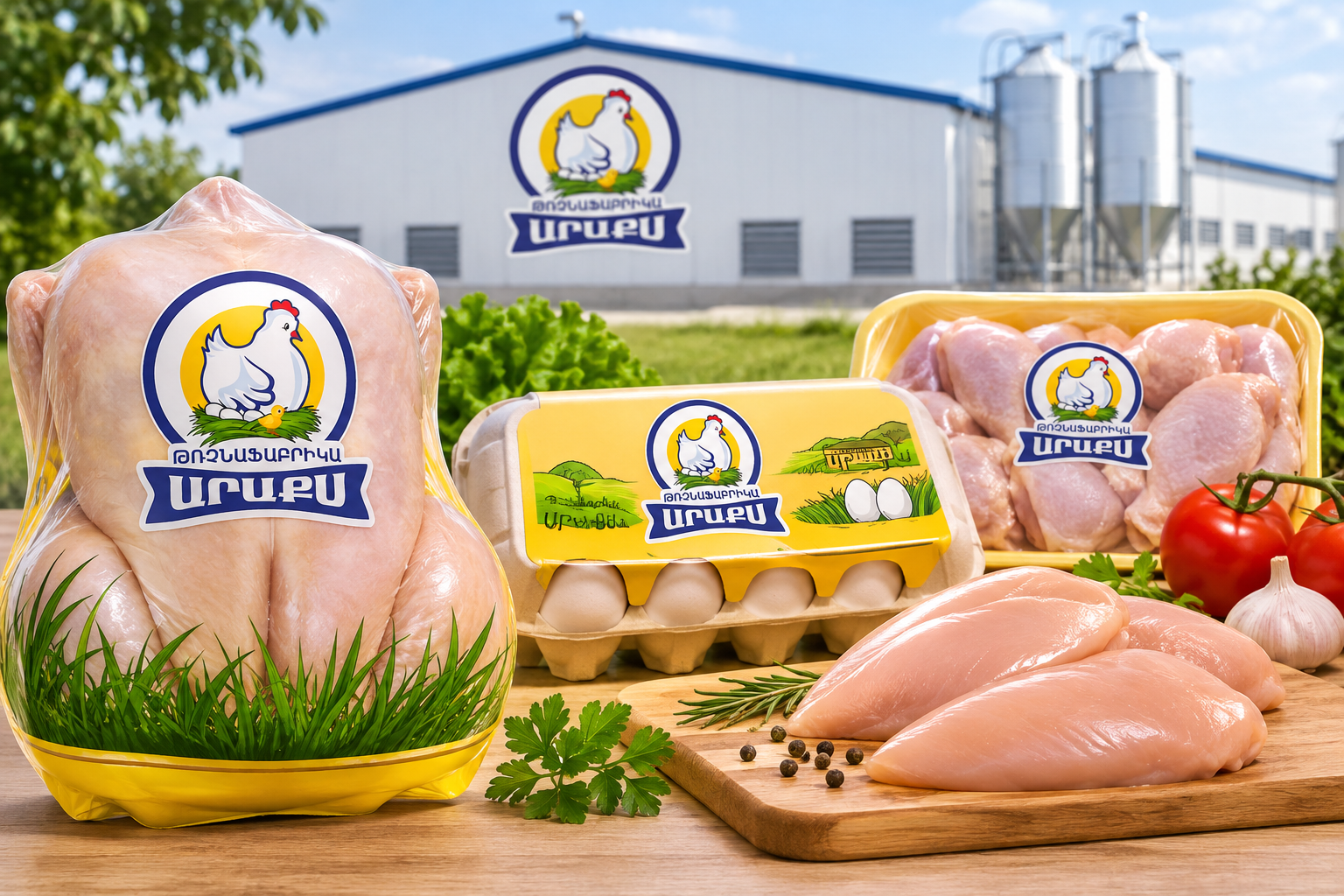
Araks Poultry Factory is a brand represented in the Armenian poultry production market. Consumers can visit the company’s official website to learn more about its products and available assortment.
The development of modern poultry farming requires continuous improvement of production processes, maintenance of hygienic conditions, quality control, and the supply of products that meet consumer expectations.
For manufacturers engaged in chicken meat sales, it is particularly important to ensure proper product packaging, appropriate storage conditions, and accessible information for consumers.
When choosing poultry products, consumers are advised to review manufacturer details, explore the available product range, and follow the storage instructions indicated on the packaging.
Conclusion
Modern poultry production technologies play an important role in improving the efficiency, quality, and safety of egg and chicken meat production.
Every stage, from chick raising and feeding to slaughter, processing, sorting, packaging, and transportation, requires appropriate technological solutions and quality control.
The development of poultry farming in Armenia, the introduction of modern equipment, and the improvement of production processes are essential factors in increasing the competitiveness of local products.
Choosing quality food starts with being an informed consumer. Therefore, it is important to pay attention to product origin, manufacturer information, quality control processes, and storage conditions.